
Cheesense · Recipe
Make Crottin de Chavignol
that surprises everyone
— including you.
A legendary French goat cheese, small in size and enormous in character — now within reach of any home kitchen or artisan creamery.
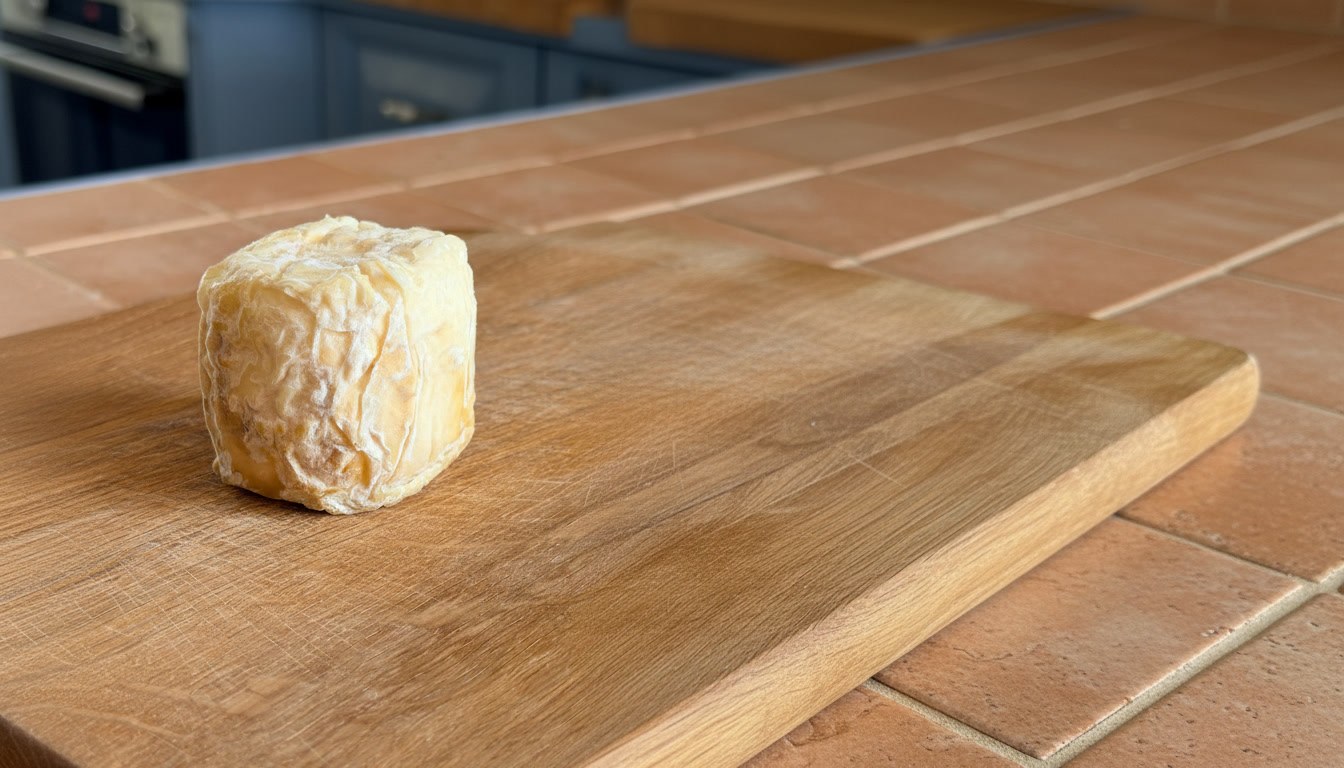
Crottin de Chavignol has been made in the Loire Valley for centuries. At its best, it's one of the most complex cheeses you can hold in one hand — dense, tangy, nutty, with a rind that shifts from delicate white bloom to deep grey as it ages. At its worst, it's a rubbery puck that tastes of nothing in particular.
The difference is almost entirely in the details. Goat's milk behaves differently from cow's — it acidifies faster, it's more sensitive to temperature, and the window between perfect and overworked is narrower than most recipes admit. This recipe opens that window wide and explains exactly what you're looking at.
Whether you're making a small batch at home or developing a goat cheese line for your creamery, this is the technical foundation you need.
No goat's milk where you are? The recipe includes full adaptation notes for cow's milk — so you can start making it today, with whatever you have access to, and switch to goat when you're ready.
A note from the author
Who this is for
Two kinds of cheesemaker
find what they need here
- Home cheesemakers curious about goat cheese — or already making it and ready to move beyond the basics into something with real depth and aging potential. And if goat's milk isn't available locally, cow's milk works too — the recipe covers both.
- Small artisan creameries working with goat's or cow's milk who want a classic French lactic-set format with solid technical grounding — a recipe built to be repeated, adjusted, and made your own.
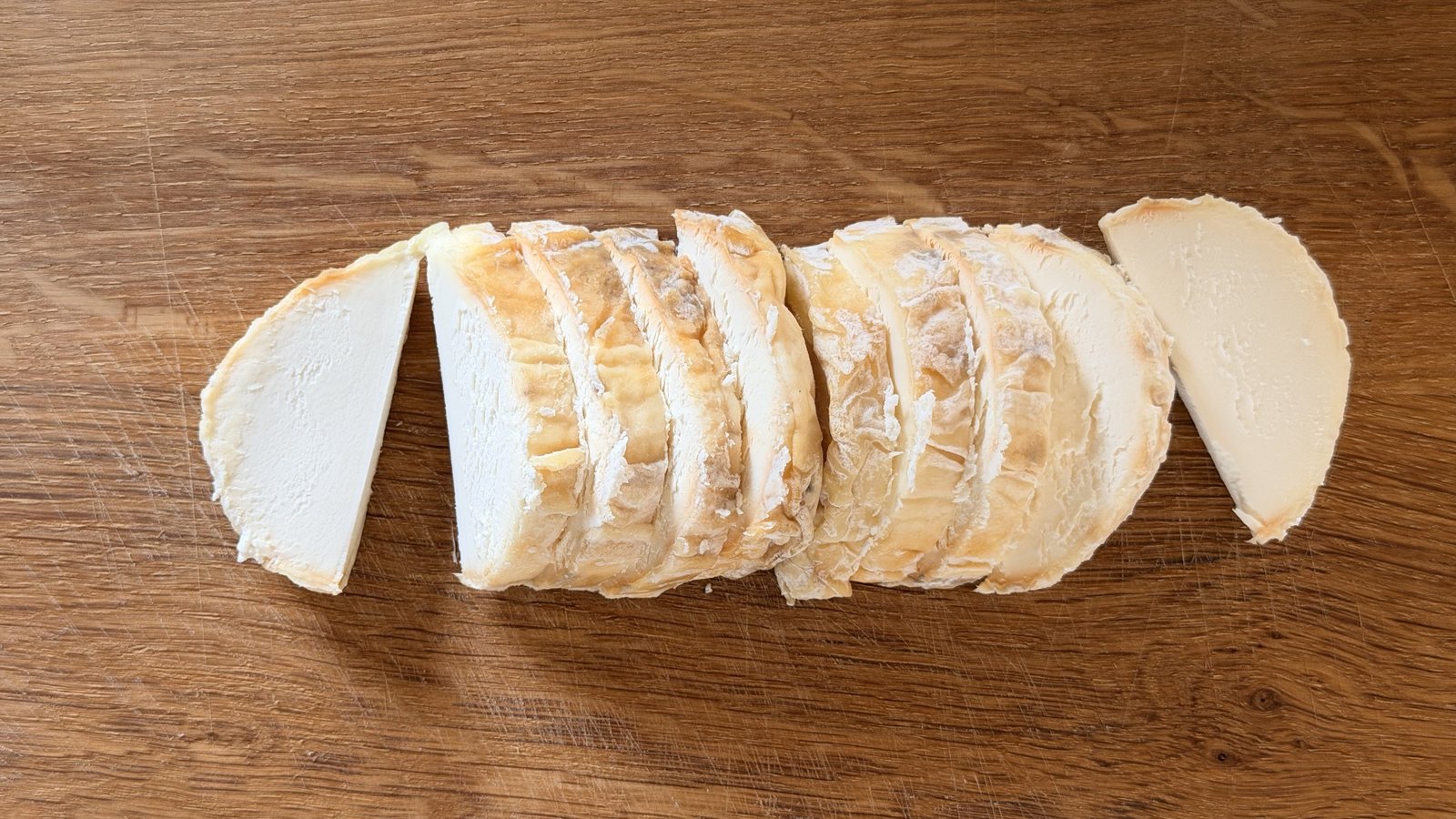
What's inside — $39, 6 months access
Everything you need
to get it right
- Professional tech card — a complete process chart with exact temperatures, timing windows, acidity targets, and culture ratios, structured the way creameries use them. Includes separate parameters for goat's and cow's milk.
- Detailed video guide — every stage filmed in real time: milk preparation, inoculation, long lactic coagulation, molding, salting, and the aging protocol across multiple stages of ripeness.
- Full equipment & culture list — molds, draining cloths, thermometers, lactic starter cultures, surface mold cultures, rennet, listed clearly and sized for home and small-batch production.
- Troubleshooting common mistakes — over-acidification, cracked rind, bitter paste, excessive moisture, covered in detail with causes and fixes for both milk types.
What you'll actually walk away with
More than one cheese.
A whole family of cheeses.
Crottin teaches you something Camembert doesn't — what a lactic-set cheese is, and how slow acidification rather than rennet drives the texture and flavour. Once you understand that, an entire family of French goat cheeses opens up: Valençay, Sainte-Maure, Pouligny-Saint-Pierre.
You'll also learn to read your milk differently. Goat's milk has its own logic, its own seasonal variation, its own sensitivity. And if you start with cow's milk, you'll already understand the process well enough to make the switch with confidence when the time comes.
For small creameries, that means a recipe with genuine aging potential — a cheese that can be sold young, semi-aged, or fully aged, giving you flexibility in your range without adding complexity to your process.
Works with goat's
or cow's milk.
Works at any scale. Access your materials the moment you pay — and return to them whenever your next batch is ready.
One-time payment · 6 months access
Get the recipe →Your guide
Why you can
trust Tetyana
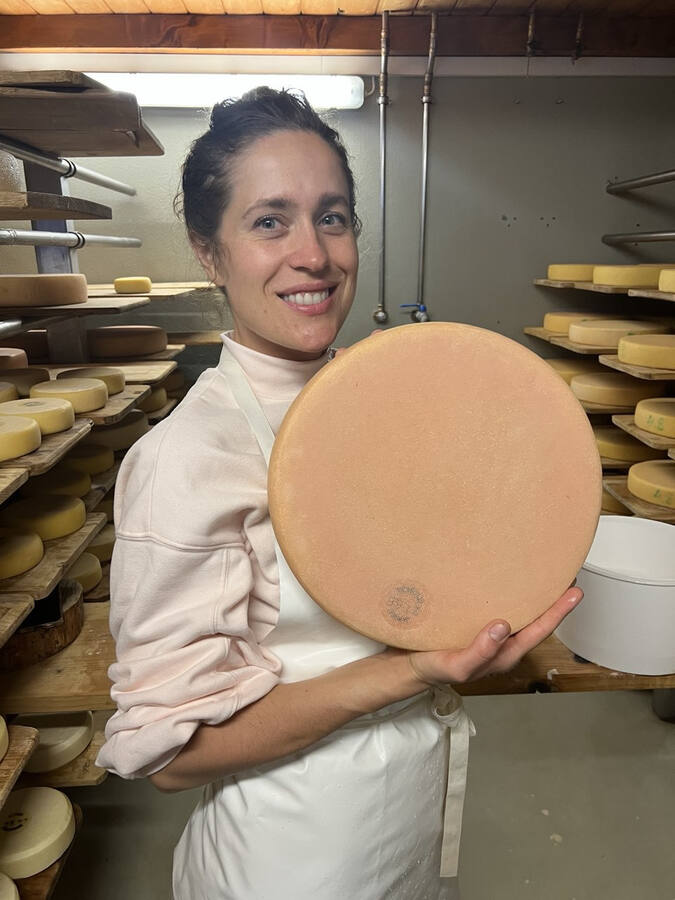
I'm Tetyana Dyadechko — cheesemaster and cheese mentor. I don't just teach recipes. I explain the logic behind every step, so you understand what you're doing and why it works.