Home cheesemaking is a craft that can be mastered even without formal education — as long as you understand the basic principles and avoid common mistakes. In this guide, I'll explain what equipment you actually need, which cheeses are best for beginners, and what most often prevents people from getting good results.
Basic equipment — less than you think
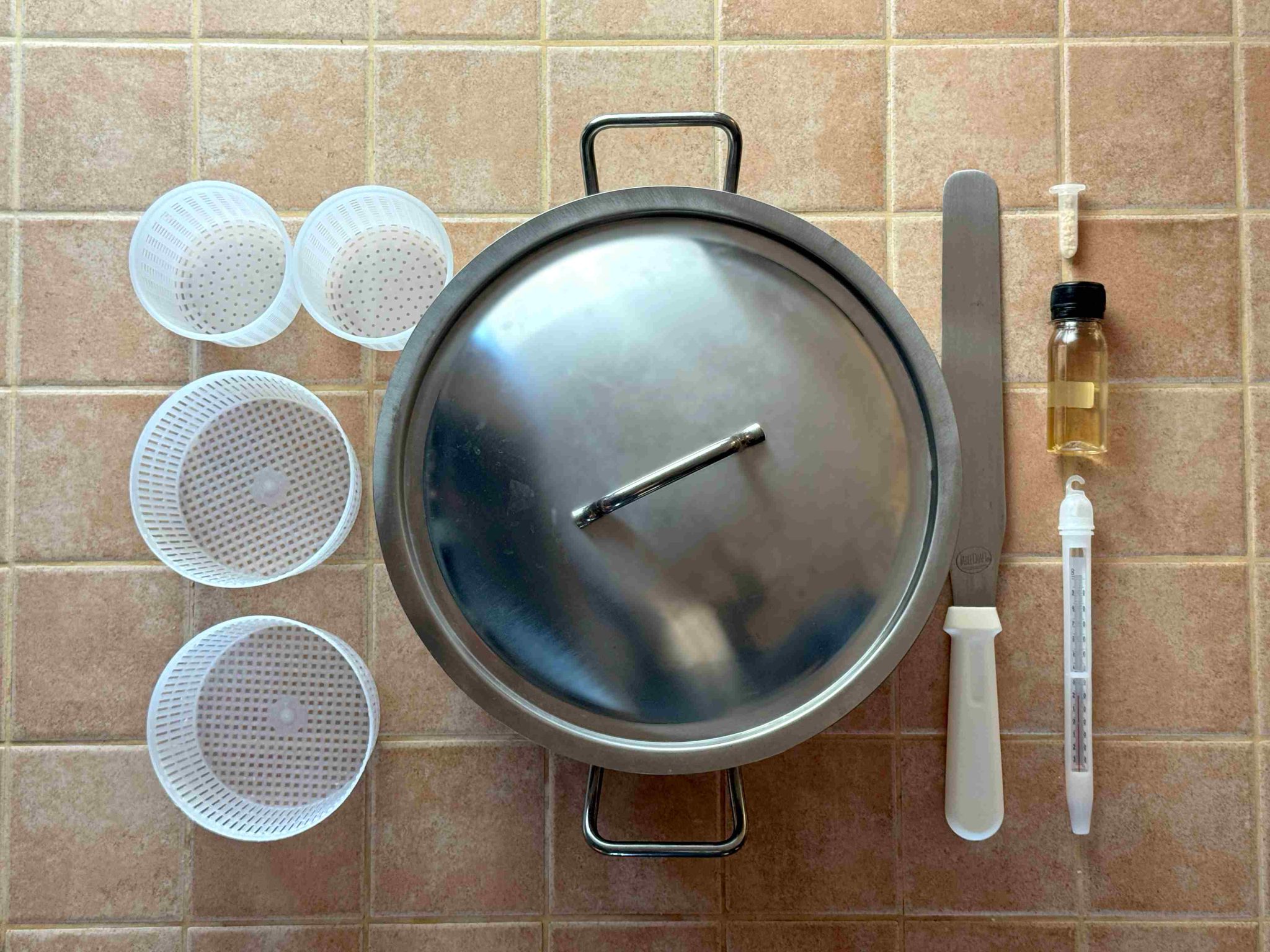
You do NOT need a professional creamery to start. Here's the minimum:
- A heavy-bottomed pot
- A kitchen thermometer
- Cheesecloth or muslin
- A slotted spoon
- A mold or colander
All of this can be found in a regular kitchen.
Which cheese to start with?
Start simple. These work well for beginners:
- Homemade cultured farmer's cheese
- Feta-style cheese
- Ricotta made from whey
Avoid for now: hard cheeses, mold-ripened cheeses, aged cheeses — these require precise control of humidity and aging conditions.
How long does it take to learn?
Day 1
First cheeseYou'll make something real on your very first session.
2–3 mo
Consistent resultsRepeatable outcomes, growing confidence.
1–2 yr
Real understandingYou feel the milk. You read the curd.
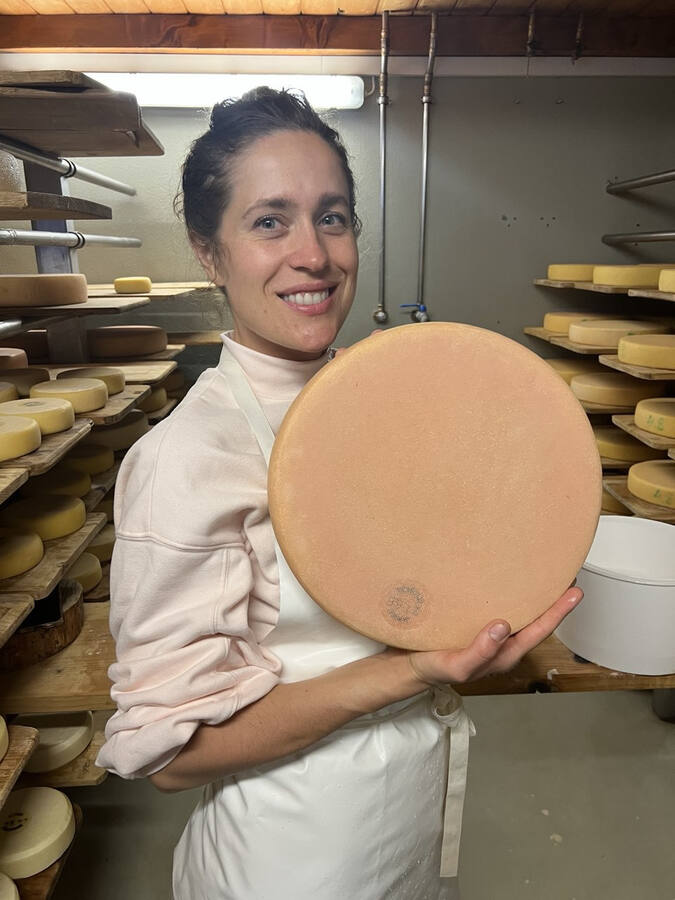
"Cheesemaking is more than a recipe. It's a craft, a hands-on process with living systems, attentiveness, and joy. That's why cheese made by your own hands is always more than just food."
Tetyana DyadechkoFounder, Cheesense
Ready to make your first real cheese?
Join the course and I'll walk you through every step — from milk to mozzarella.
Make It Real →