2 min read
How to Choose a pH Meter
for Cheesemaking
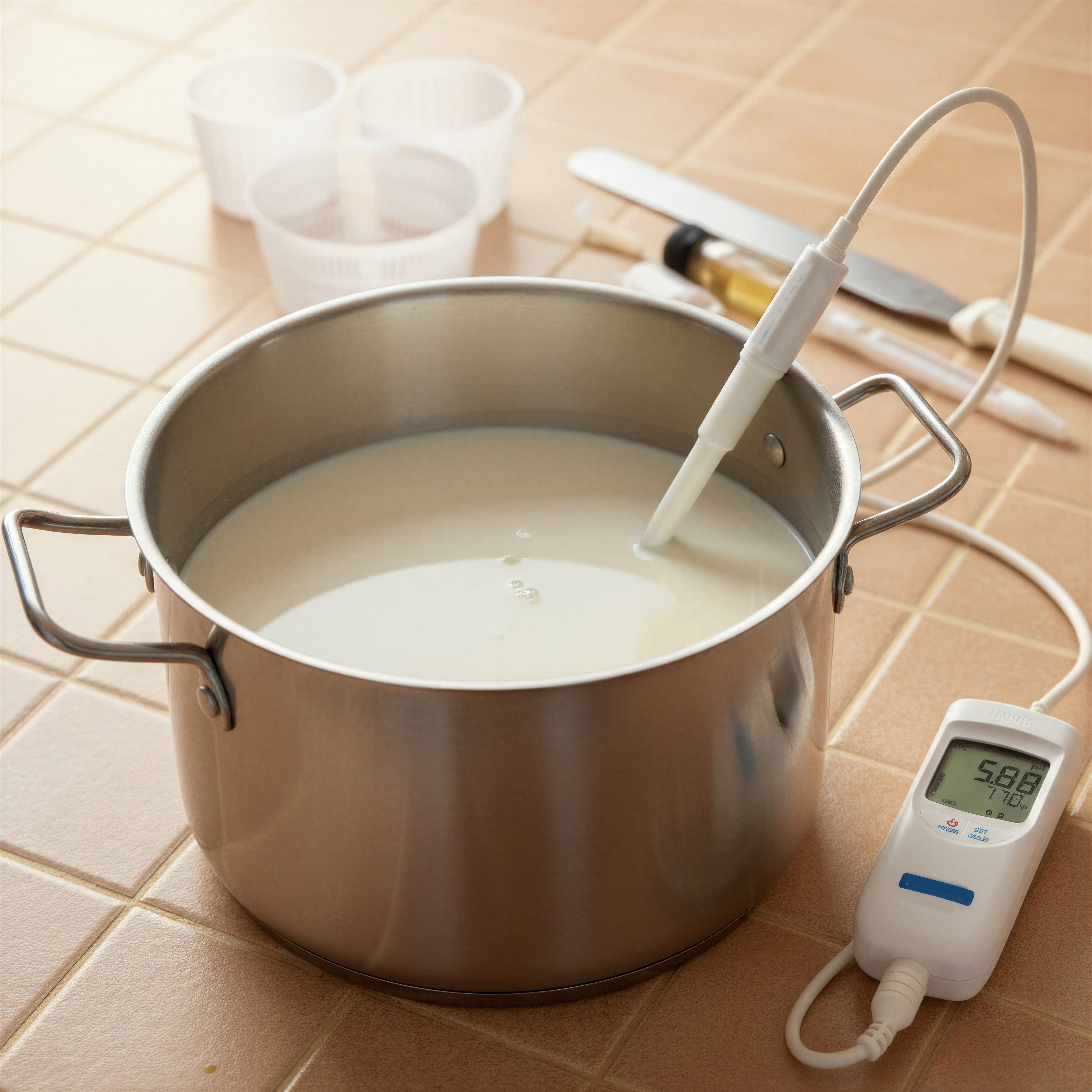
A pH meter measures the hydrogen ion activity in a given environment. As cheesemasters, we use it to measure the acidity of milk, fermented dairy products, and cheese — as well as the pH of cleaning and sanitising solutions.
What to look for when choosing
When selecting a pH meter, pay attention to the following parameters:
-
1
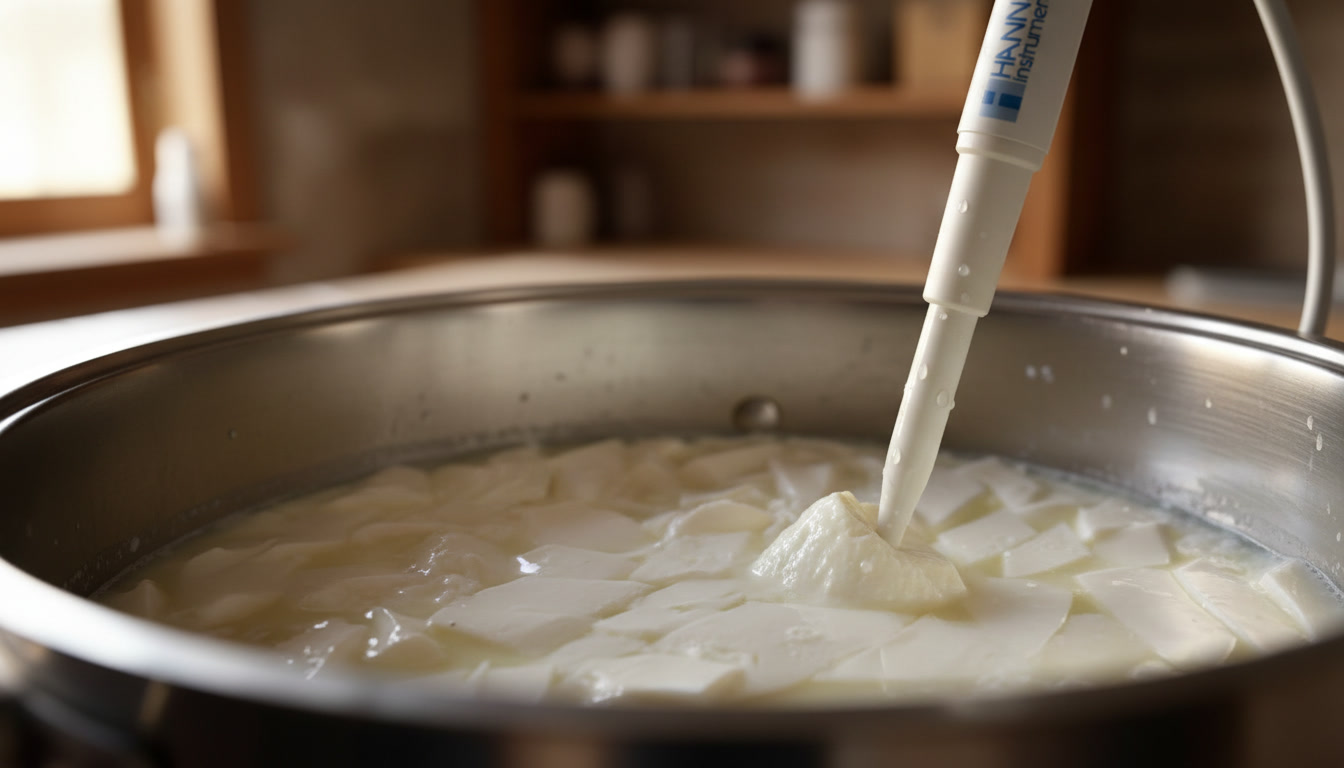
What will you be measuring? Liquids only (milk, fermented products, whey) or also cheese curd and solid cheese? pH meters come with probes of different shapes and for different purposes — it's important to decide which one you need.
-
2
Accuracy. For cheesemaking, high accuracy is essential. Look for a device with a tolerance of ±0.01.
-
3
Automatic temperature compensation (ATC). This feature significantly simplifies your work. Without it, you'll need to manually correct readings using a reference table — and such meters tend to have larger errors.
-
4
Automatic calibration. Some meters lack this feature entirely — make sure to check. Always choose a meter with automatic calibration.
-
5
Replaceable electrode. Replaceable electrodes are very convenient: if the electrode fails, you can simply swap it out instead of buying a new device.
-
6
Waterproof housing. Essential for a dairy environment — choose a model with moisture-resistant casing.
Three pH meters I can confidently recommend
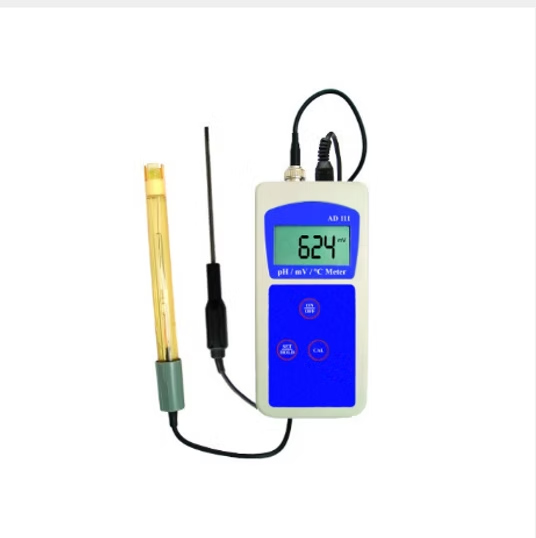
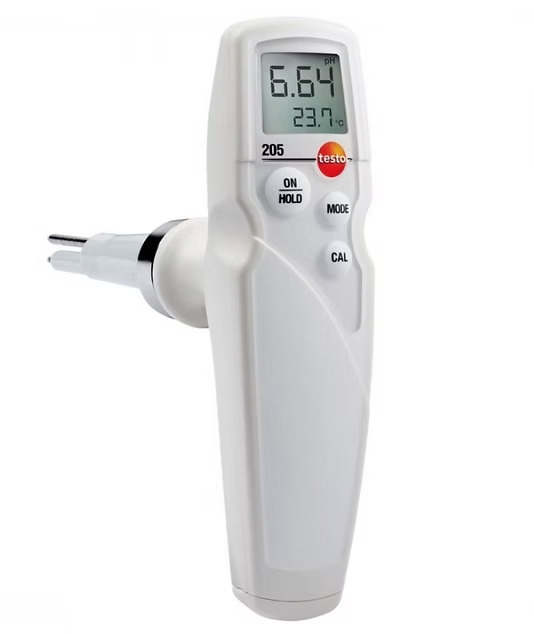
±0.01 accuracy
Replaceable electrode
Waterproof
Comes with a temperature probe and a liquid probe. A cheese probe is available separately.
This is my favourite pH meter — it has replaceable electrodes and is the most versatile option for home cheesemaking.
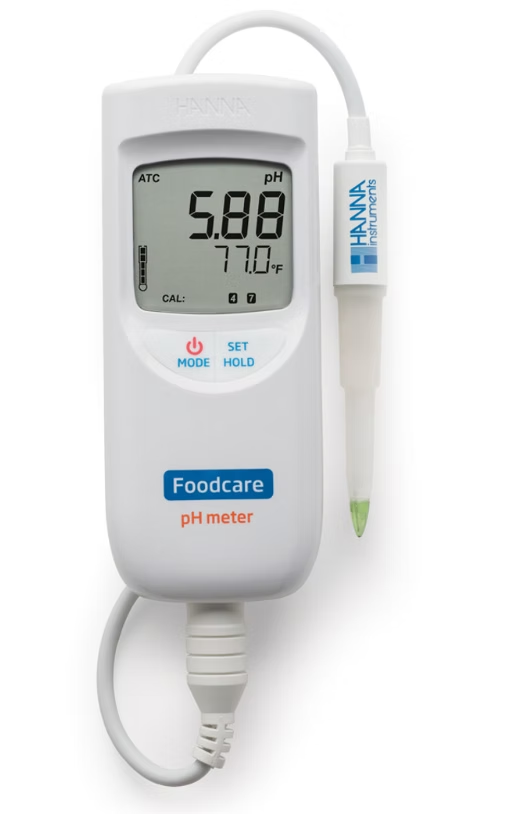
±0.02 accuracy
Replaceable electrode
Waterproof
A solid professional device. Measures somewhat slower than the AD130.
I use this one when working in Switzerland. The electrode is quite small, which can give false readings on solid cheese — and it takes a while to stabilise the value.
±0.02 accuracy
Universal electrode
Waterproof
Universal electrode — ideal for temperature measurement, liquids, and solid cheese alike.
I worked with this one in the United States. It measures slowly but the probe is truly universal — one electrode for everything.
What to order together with the meter
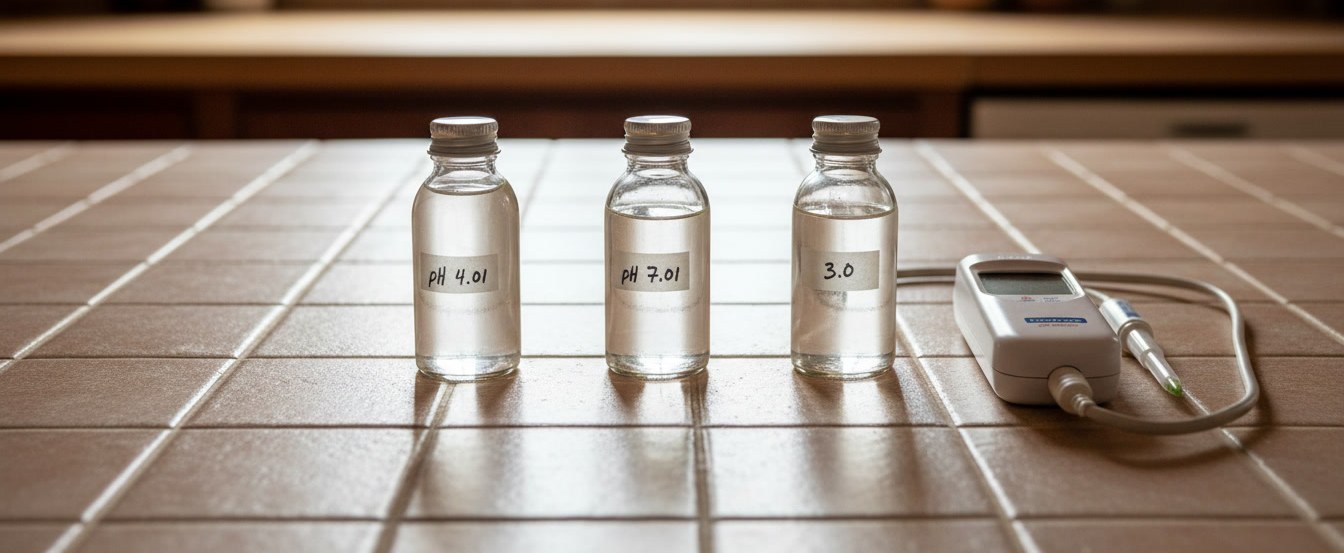
When purchasing a pH meter, ask your supplier to include the following solutions:
- Calibration buffer — pH 4.01
- Calibration buffer — pH 7.01
- Storage solution — pH 3.0
- Cleaning solution
Proper calibration and storage of the electrode directly affects measurement accuracy. Don't skip this step.
Ready to make your first real cheese?
Join the course and learn every tool, every step — from milk to mozzarella.
Make It Real →